
Structural Drying
Why Structural Drying is Critical in Millers Point
Millers Point’s mix of historic terrace homes, waterfront apartments, and commercial buildings means water damage can spread rapidly through shared walls, subfloors, and ceiling cavities. Without fast structural drying, moisture can weaken timber frames, lift floorboards, and create the perfect environment for mould growth. Our team understands the local architecture and responds with targeted drying solutions to protect your property’s integrity.
Common causes of water damage in this area include burst pipes in older plumbing systems, flooding from heavy rain near the harbour, and leaks from neighbouring properties. Even small amounts of water can seep into gyprock, timber, and concrete, leading to hidden damage that worsens over time. Structural drying removes this moisture at the source, preventing costly repairs and health risks.
We use high-powered air movers, dehumidifiers, and moisture meters to track and eliminate water from every affected surface. For heritage properties, we take extra care to avoid damaging original features while ensuring thorough drying. Commercial clients, such as restaurants or offices near the wharves, benefit from our discrete and efficient service to minimise downtime.
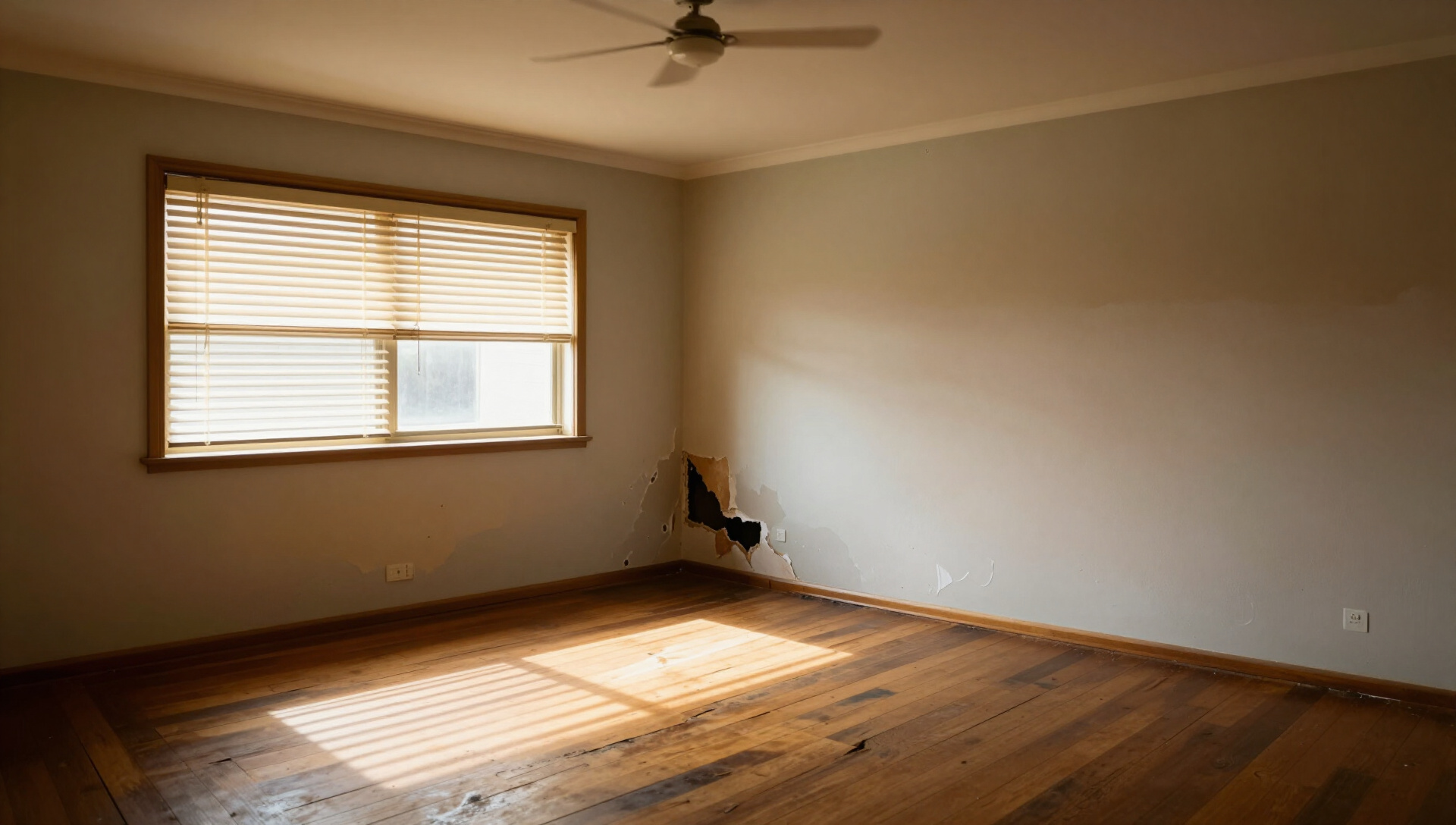
Don’t wait for visible signs of damage. If you’ve experienced water exposure - whether from a leak, flood, or spill - contact us immediately. The sooner we begin structural drying, the lower the risk of long-term issues.
Signs You Need Structural Drying in Millers Point
Water damage isn’t always obvious. Here’s what to look for in your Millers Point property:
- Musty odours in enclosed spaces like basements or underfloor areas
- Peeling paint or bubbling wallpaper, especially near ceilings or skirting boards
- Warped or buckling floorboards, particularly in older timber-framed homes
- Visible water stains on walls or ceilings, often yellow or brown
- Increased humidity or condensation on windows and mirrors
- Mould growth in corners, behind furniture, or in bathrooms and kitchens
Before and After Structural Drying in Millers Point
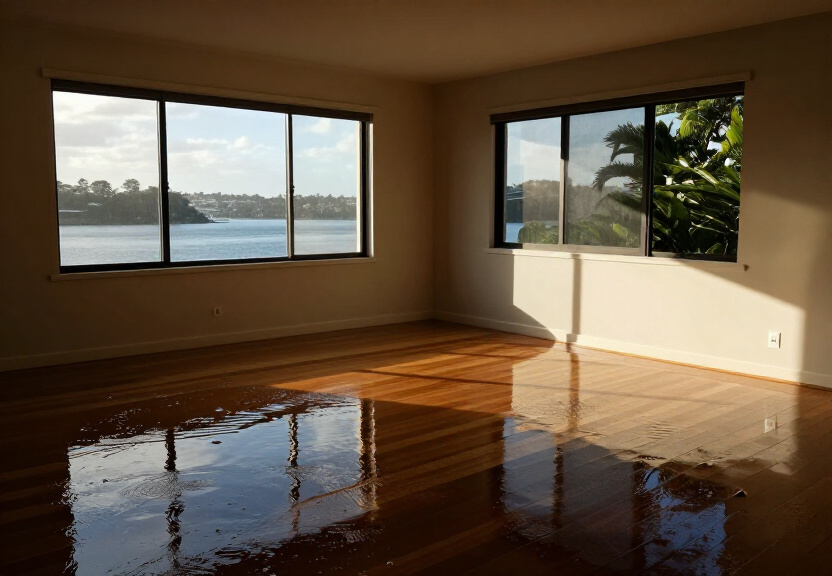
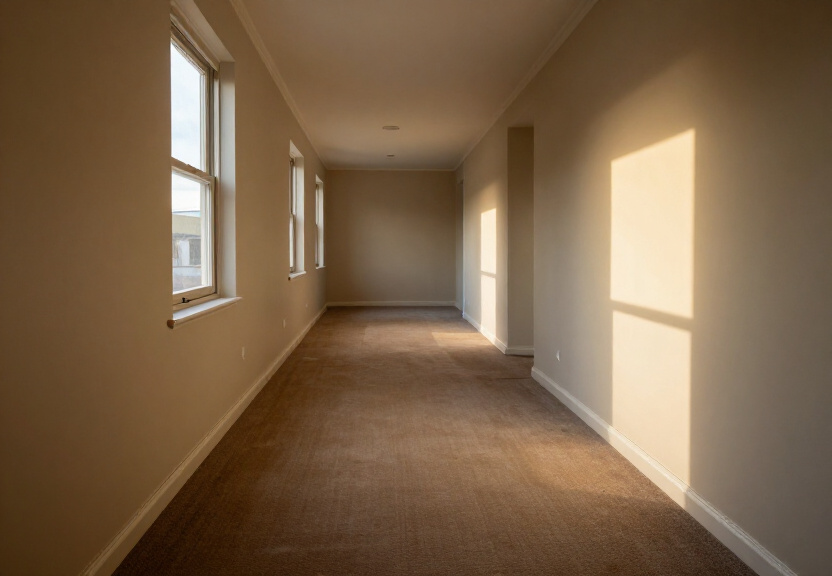
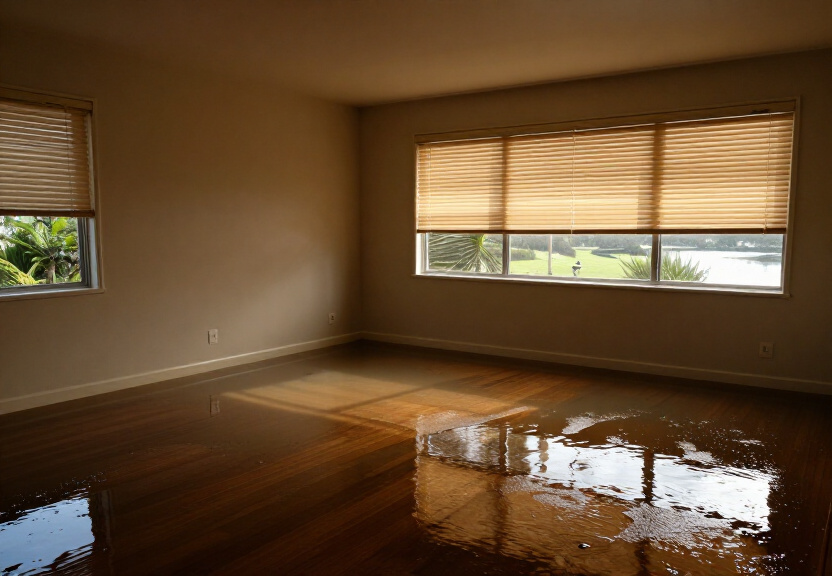
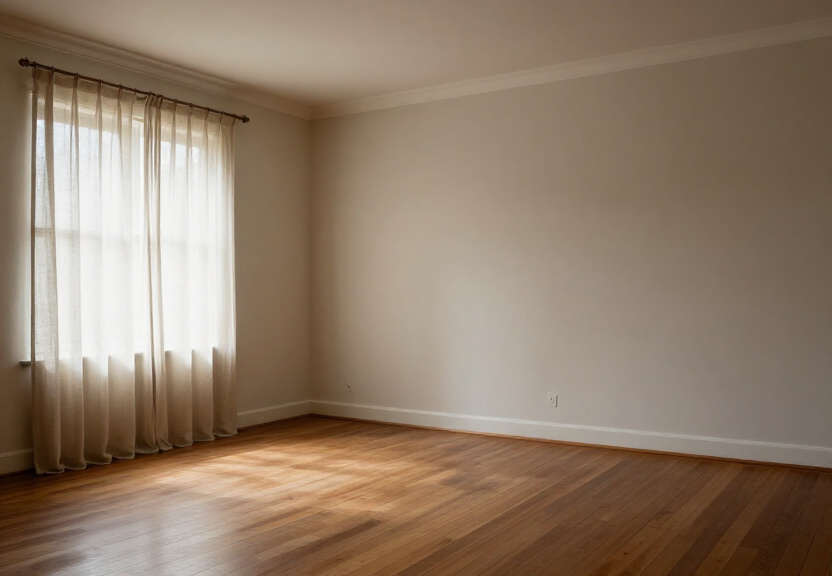
See the difference professional structural drying makes in local properties. These examples show how we’ve restored homes and businesses in Millers Point after water damage.
Why Choose Flood Restoration Service Sydney for Structural Drying?
- Local expertise in Millers Point’s unique property types, from heritage terraces to modern units
- 24/7 availability for emergencies, with same-day service when possible
- Industrial-grade drying equipment to handle large or small-scale water damage
- Experienced technicians trained to work in tight spaces like wall cavities and subfloors
- Transparent process with moisture readings before, during, and after drying
- Commitment to preventing secondary damage like mould or structural weakening
Who Needs Structural Drying in Millers Point?
For Homeowners
Millers Point residents face unique risks due to the suburb’s age, density, and proximity to water. Whether you live in a heritage-listed terrace, a modern apartment, or a waterfront property, structural drying can:
- Protect original features in older homes from moisture damage
- Prevent mould growth in shared walls or underfloor spaces
- Restore floors and ceilings after leaks from neighbouring units or burst pipes
For Businesses
Commercial properties in Millers Point, such as restaurants, offices, and retail spaces, can’t afford prolonged downtime. Our structural drying services help businesses:
- Reopen quickly after water damage with minimal disruption
- Avoid health and safety risks for staff and customers
- Protect inventory, equipment, and fixtures from moisture-related damage
Benefits of Professional Structural Drying
Prevents Long-Term Damage
By removing moisture quickly, we stop water from weakening structural elements like timber beams, plaster, and concrete. This prevents costly repairs and extends the life of your property.
Reduces Health Risks
Mould and bacteria thrive in damp environments. Structural drying eliminates the conditions that lead to poor air quality, allergies, and respiratory issues for occupants.
Saves Time and Money
The faster we dry your property, the less likely you’ll need extensive renovations. Our efficient process minimises downtime and disruption, whether for homes or businesses.
Restores Property Value
Water damage can significantly reduce a property’s value. Professional drying ensures your Millers Point home or commercial space retains its market worth and appeal.
Our Service Guarantee
We stand behind our Structural Drying work with clear follow-up and written assurance on agreed treatments.
Structural Drying Service Area in Millers Point
Flood Restoration Service Sydney provides Structural Drying support throughout Millers Point and nearby communities.
Frequently Asked Questions
We offer same-day and next-available appointments for urgent Structural Drying issues in Millers Point when possible.
We use approved products and explain any preparation or re-entry times before treatment begins.
Pricing depends on the property, severity and treatment plan. We provide upfront quotes before work starts.
Yes, Flood Restoration Service Sydney provides Structural Drying for residential and commercial properties in Millers Point.
We will advise on simple preparation steps when you book, such as clearing access to affected areas.
Call 0291280998 or complete the form on this page with your property details.
What Customers Say
"Professional, on time and explained everything clearly."
"Sorted our issue quickly with no fuss."
"Good communication and fair pricing."
Related Services
Water Damage Restoration
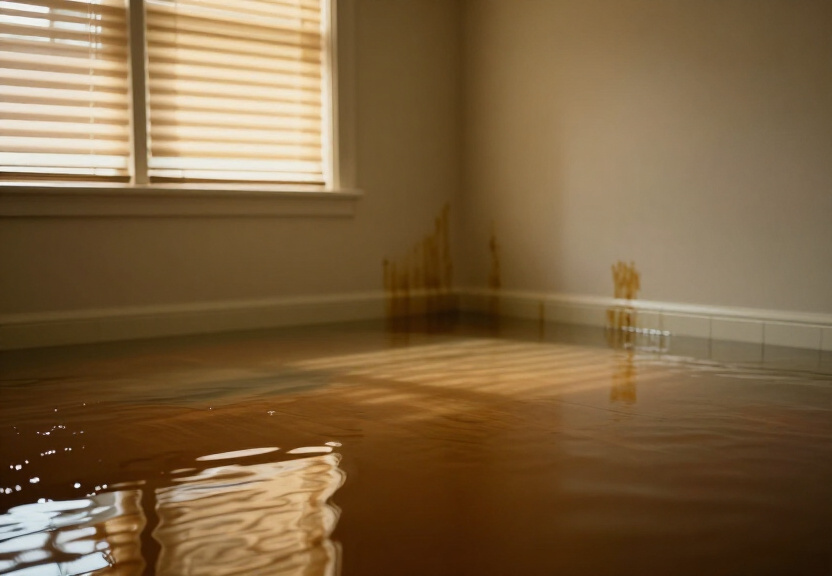
Water damage restoration brings the property back to a safe, habitable state by assessing affected materials and managing the full drying and repair plan. From water-impacted finishes to documentation needs, the service supports a complete recovery approach.
Learn More →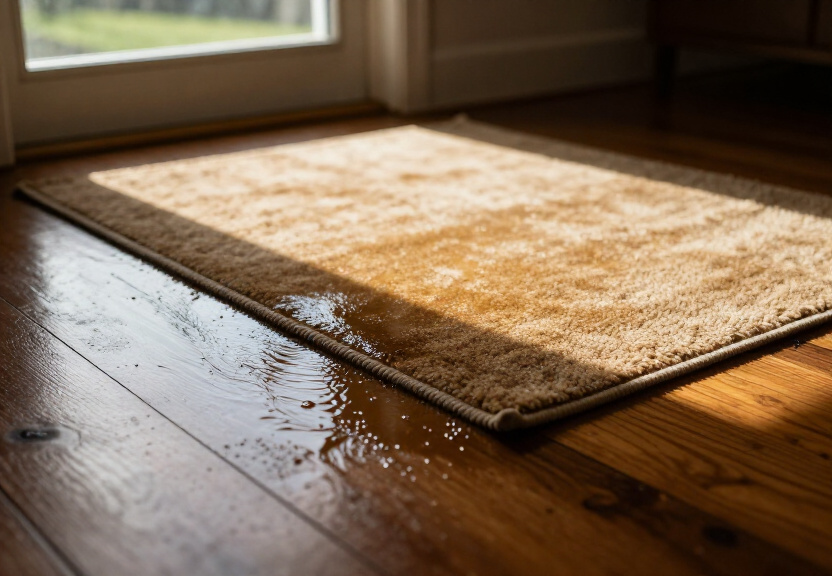
Wet Carpet Drying
Wet carpet drying repositions affected flooring, extracts surface water, and dries fibres and backing without unnecessary reinstallation. Controlled airflow and dehumidification help minimise shrinkage, staining, and persistent dampness that can lead to odours.
Learn More →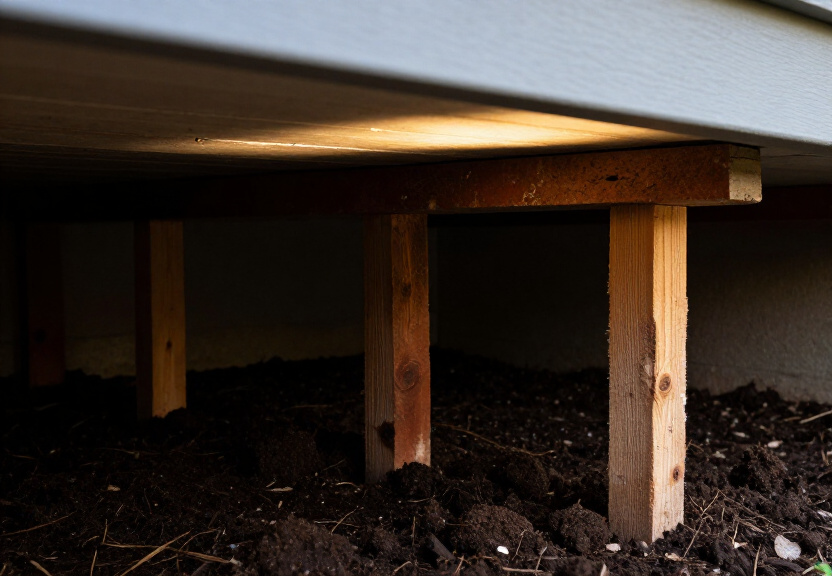
Subfloor Moisture Removal
Subfloor moisture removal tackles dampness beneath flooring where water can pool or wick into timber and other materials. Controlled extraction and drying help protect structural elements and minimise ongoing odour or mould problems.
Learn More →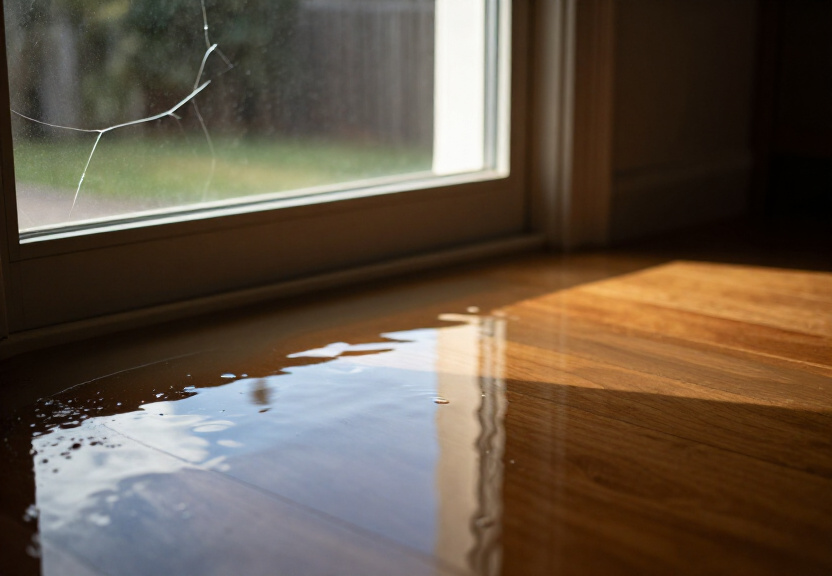
Water Extraction And Removal
Water extraction and removal quickly removes floodwater using appropriate pumps and extraction equipment. Removing bulk water early reduces damage, limits contamination spread, and accelerates the subsequent drying stage for faster recovery.
Learn More →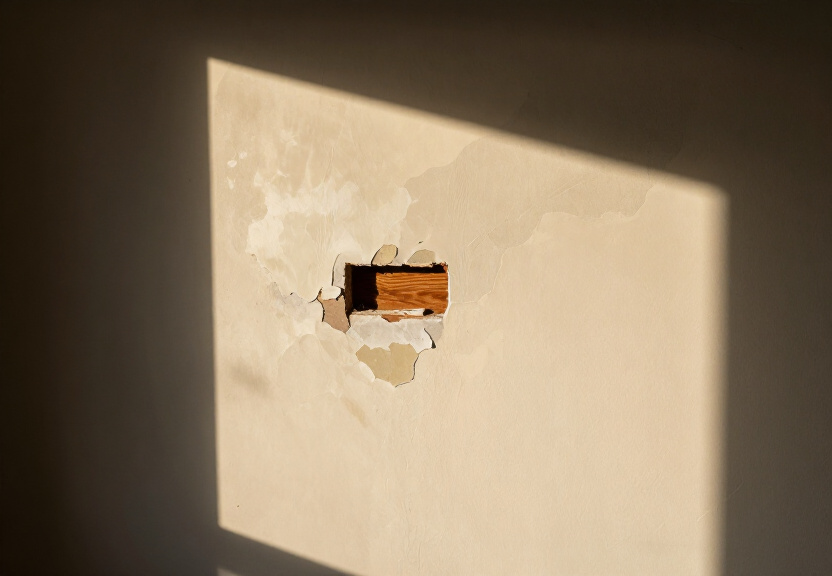
Structural Drying
Structural drying restores building materials to safe moisture levels using calibrated air movers, dehumidification, and continuous monitoring. This reduces risks like swelling, paint failure, and hidden microbial growth inside walls, floors, and roof spaces.
Learn More →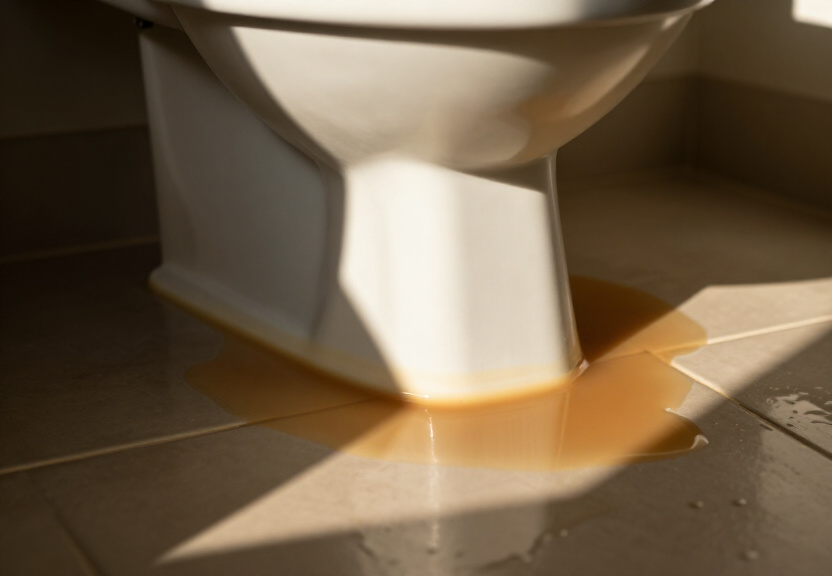
Sewage Cleanup
For contaminated water incidents, sewage cleanup includes removal of soiled residues and thorough disinfection of impacted surfaces. The workflow focuses on health and hygiene, reducing contamination risk while preparing areas for controlled drying and restoration.
Learn More →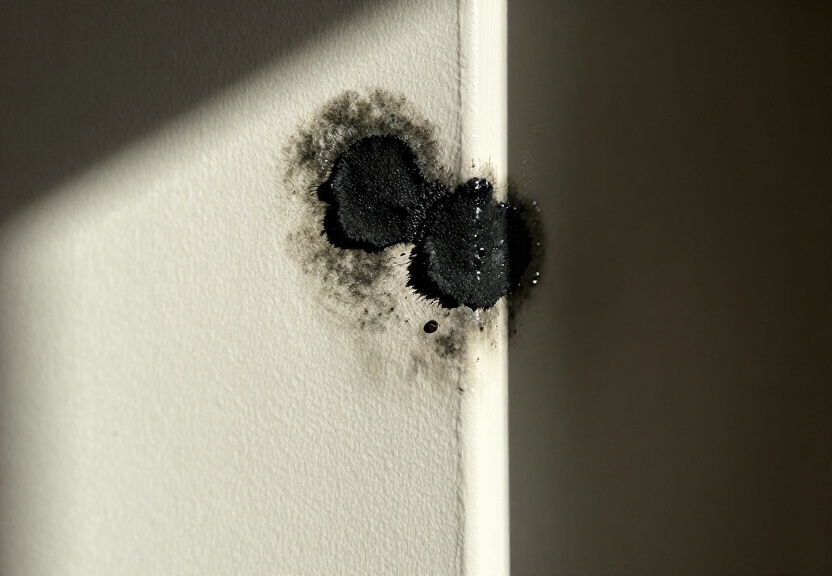
Mould Removal
When mould colonies have formed, mould removal isolates the affected areas and removes contaminated materials safely. After extraction, the space is sanitised so surfaces are ready for drying and rebuild, restoring a cleaner indoor environment.
Learn More →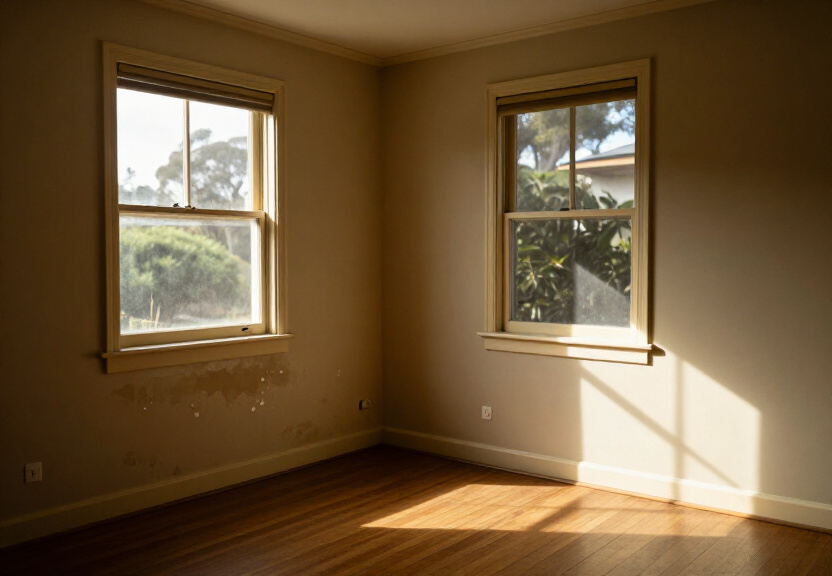
Odour Removal
Persistent flood odours from contaminated finishes and trapped moisture are addressed with targeted odour removal. We use odour control methods designed to neutralise lingering compounds, helping eliminate musty smells rather than simply masking them.
Learn More →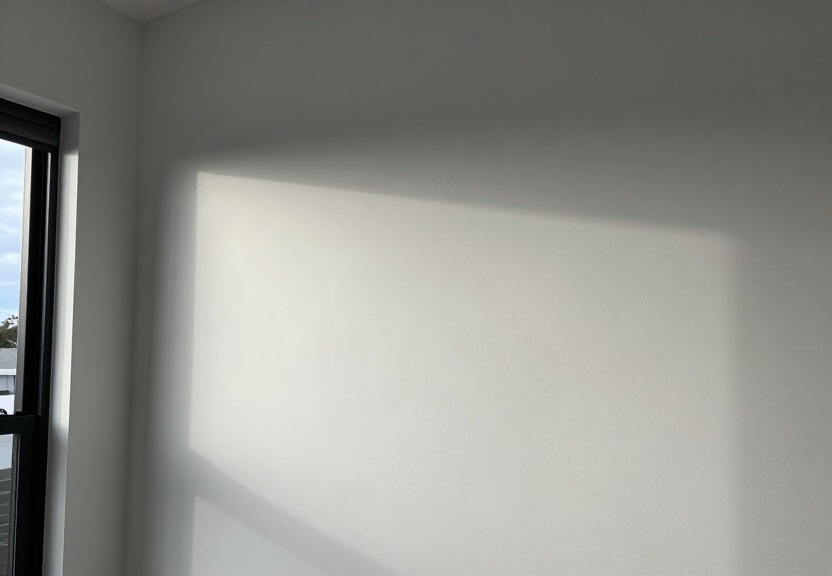
Mould Prevention Treatment
After floodwater recedes, apply mould prevention treatment to affected ceilings, walls, and concealed voids where spores can take hold. The process targets damp substrates and helps reduce the chance of recurring growth while restoration works proceed.
Learn More →